Sustainability
Not just compliance — leadership
Mining has an inherent environmental footprint. Our goal is to lead on sustainable practice across water, land, energy, community and safety.
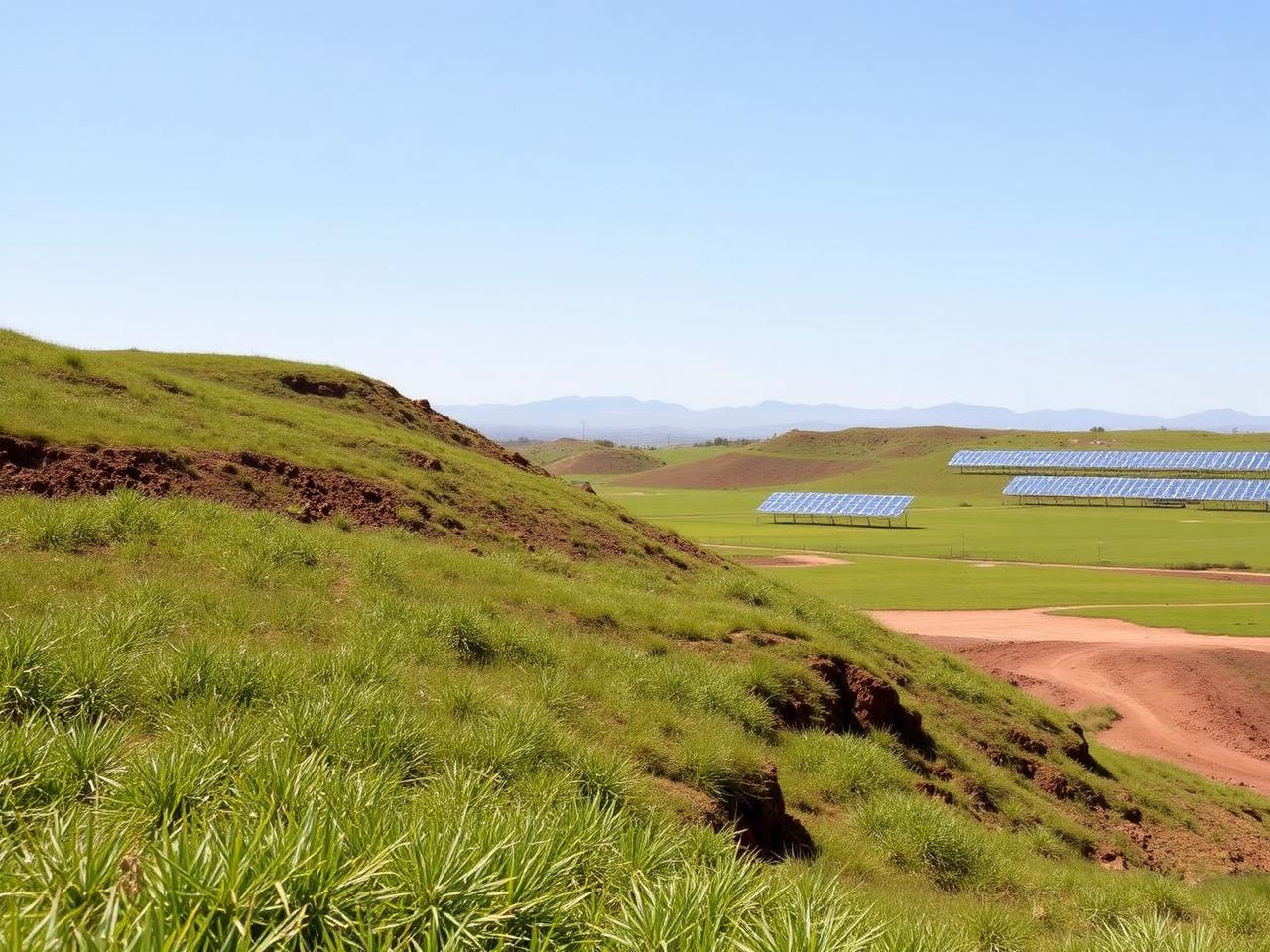
Environmental responsibility
Managing our footprint
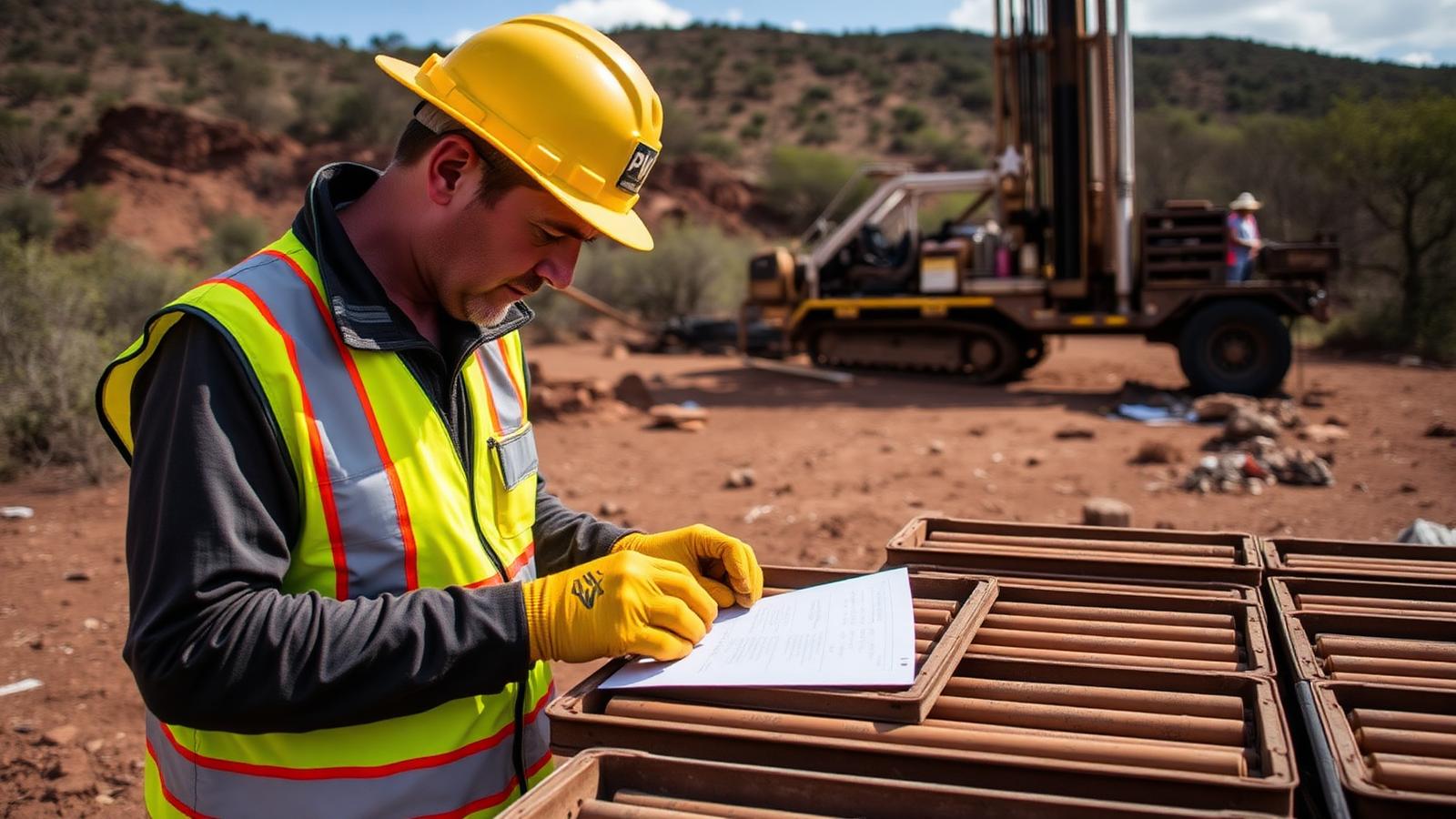
Radebe Technical Projects recognises that responsible mining begins the moment a prospecting right is granted and continues long after extraction ends. We embed environmental, social and governance (ESG) principles into every phase of our work — from low-impact exploration through to progressive rehabilitation — so that the value we create for shareholders never comes at the cost of the land, water and people who sustain us.
In pictures
Our environment in motion
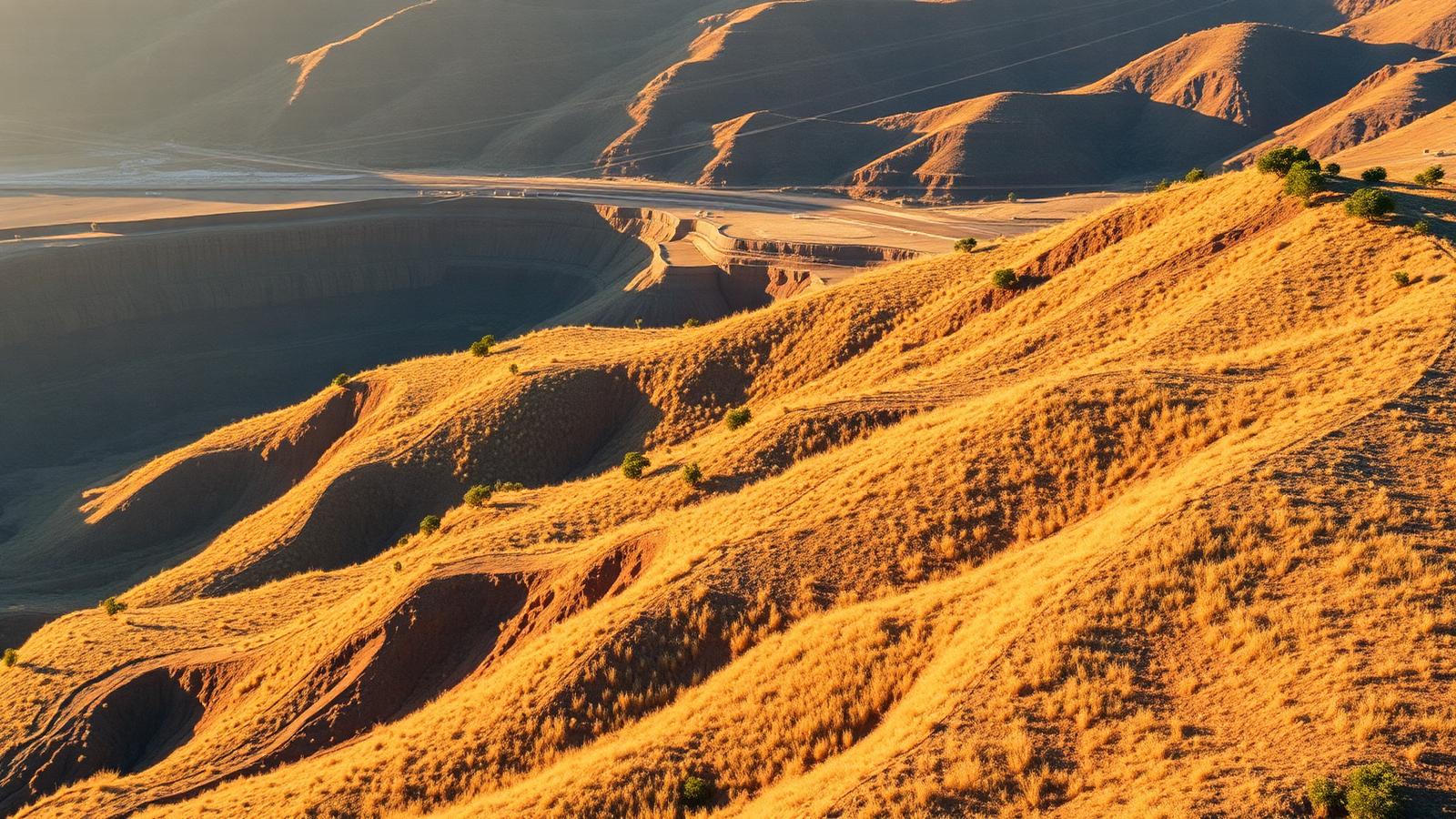
Responsible mining
ESG built into every phase
From low-impact exploration through to progressive rehabilitation.

Performance that we report publicly
Sustainability KPIs
We track environmental performance against published targets so that progress is measurable, auditable and open to scrutiny. The figures below are drawn from our internal ESG management system and reviewed quarterly.
Dashboard last updated
15 Jul 2026
Reported quarterly · Next review Sep 2026
Water
2 metricsWater recycling rate
+6 pts vs prior yearLast updated: 30 Jun 2026
Fresh water intensity
−9% YoY (good)Last updated: 30 Jun 2026
Land
2 metricsLand rehabilitated
+18 ha this yearLast updated: 31 May 2026
Disturbed footprint
−4 ha as areas closedLast updated: 31 May 2026
Energy
2 metricsRenewable energy share
+11 pts after solar Phase 1Last updated: 15 Jul 2026
GHG emissions intensity
−14% vs baselineLast updated: 15 Jul 2026
Water stewardship
Water management
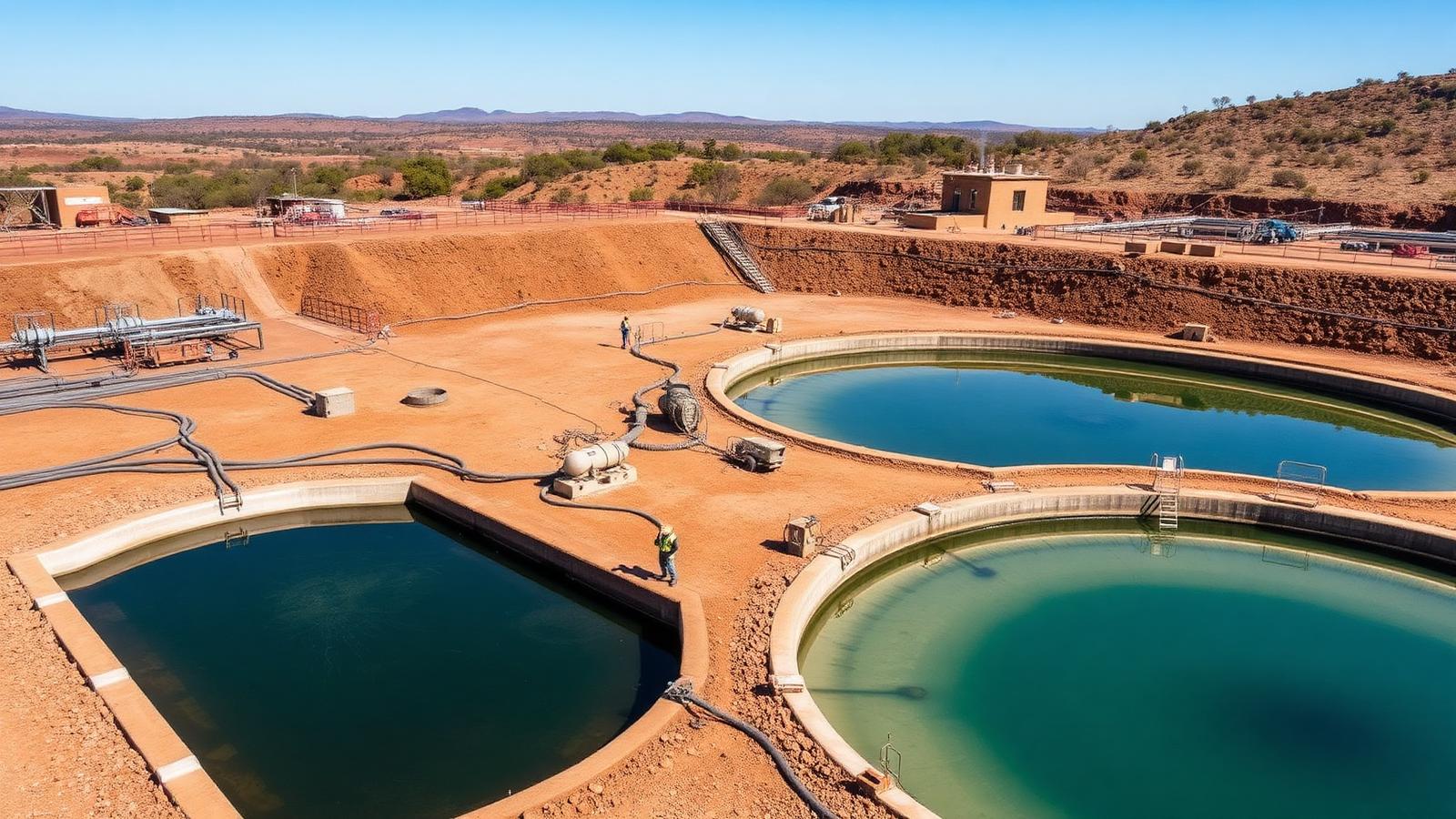
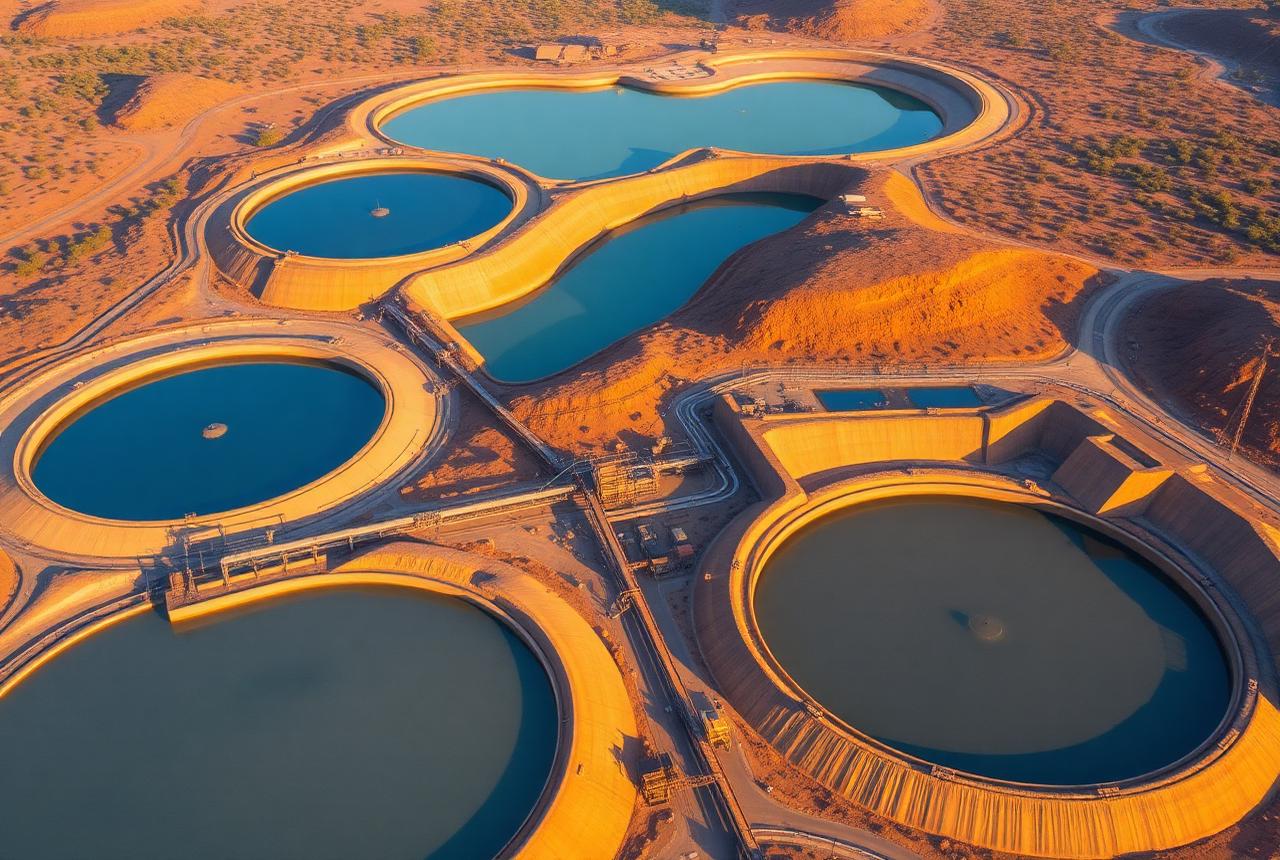
Water is one of the scarcest and most contested resources in the regions where we explore. We minimise fresh water consumption through extensive recycling and closed-loop systems that separate, treat and re-use process water on site.
Closed-loop process water
Settling and flocculation ponds capture suspended solids so that the same water can be re-circulated through the plant, cutting abstraction from municipal and river sources to a minimum.
Stormwater capture & separation
Clean and dirty stormwater are segregated by berms and contour drains, preventing contaminated runoff from reaching natural watercourses and allowing clean rainfall to pass through the site untouched.
Groundwater monitoring
A network of boreholes around each operation tracks water table levels and quality, giving early warning of any seepage and supporting our commitment to the National Water Act.
Dry-stacked tailings
Where feasible we move towards filtered, dry-stacked tailings rather than conventional slurry dams, materially reducing the volume of water held on site and the risk profile of the facility.
Closure & legacy
Land rehabilitation
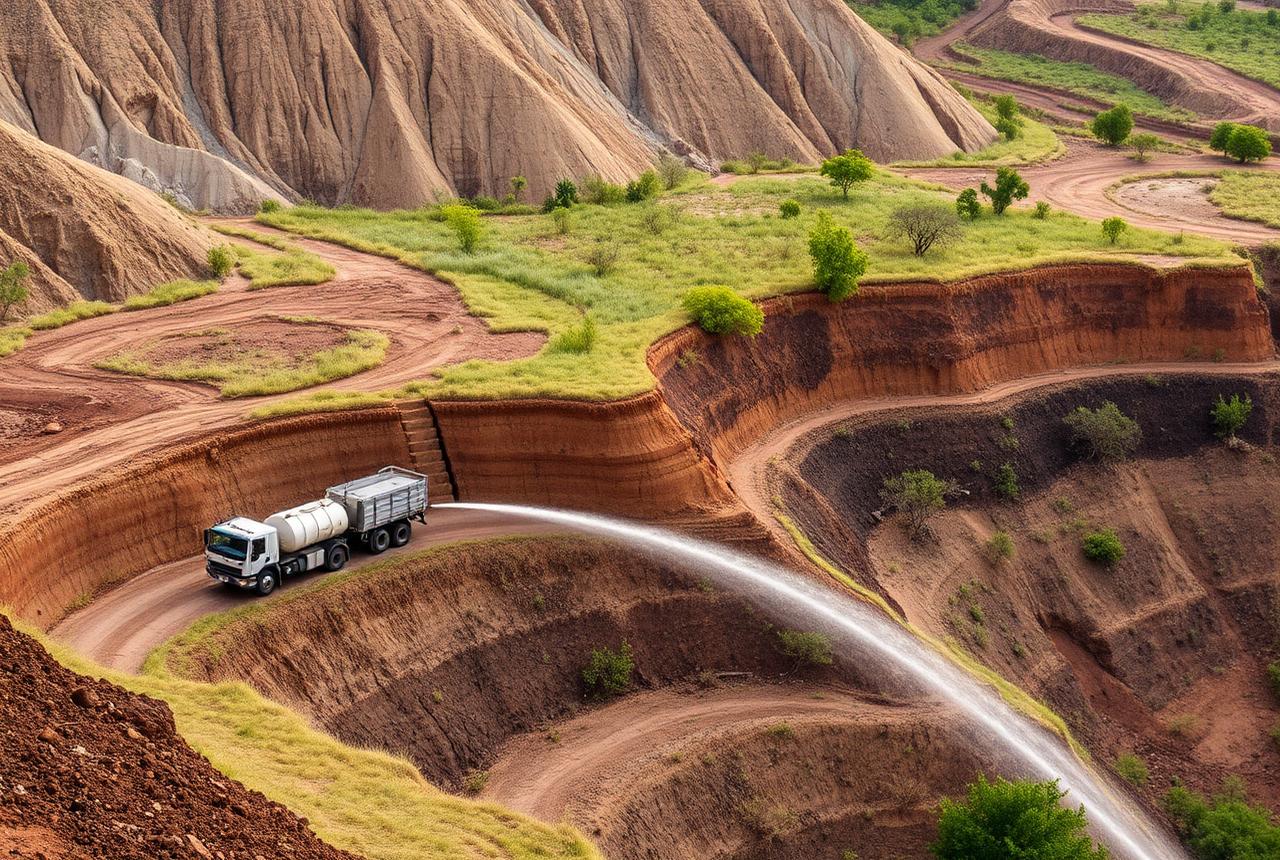
Progressive reclamation ensures land is restored to a safe and productive state after extraction. Rather than deferring all rehabilitation to the end of life-of-mine, we reshape, soil and revegetate disturbed ground concurrently with active mining so that the footprint is never larger than it needs to be.
Concurrent reshaping
Spent pits and dumps are re-profiled to stable, free-draining landforms as soon as they are retired, blending slope angles and benches with the surrounding topography.
Topsoil management
Stripped topsoil and growth medium are stockpiled separately and seeded to preserve the soil seed bank, then respread during rehabilitation to kick-start natural revegetation.
Indigenous revegetation
We plant endemic grasses, shrubs and trees suited to the North West bushveld, monitoring survival rates and biodiversity return against a defined closure success criteria.
Post-closure land use
Rehabilitated land is handed back for productive post-mining use — grazing, agriculture or conservation — guided by the Minerals and Petroleum Resources Development Act closure plan.
Low-carbon transition
Energy efficiency
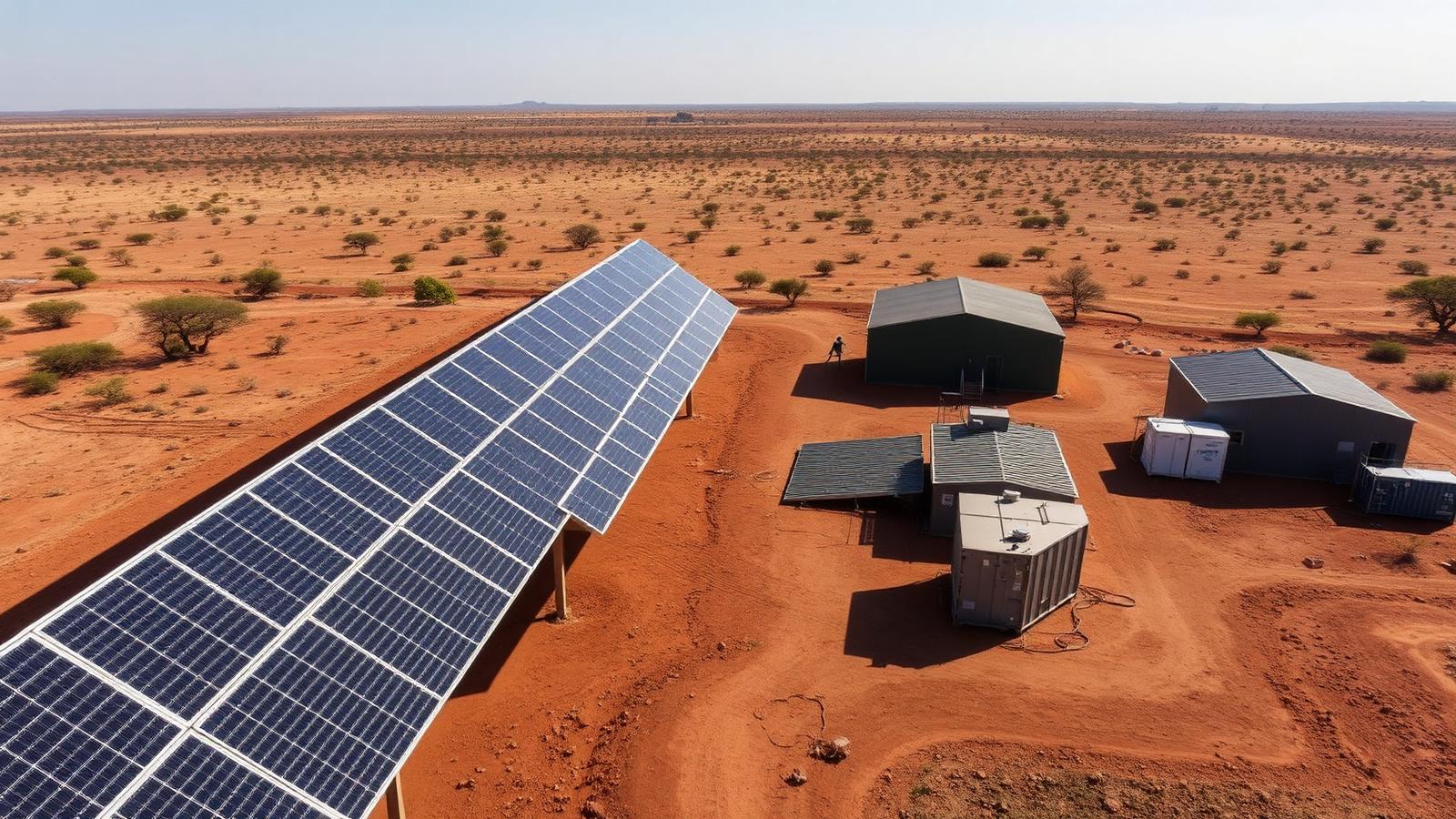
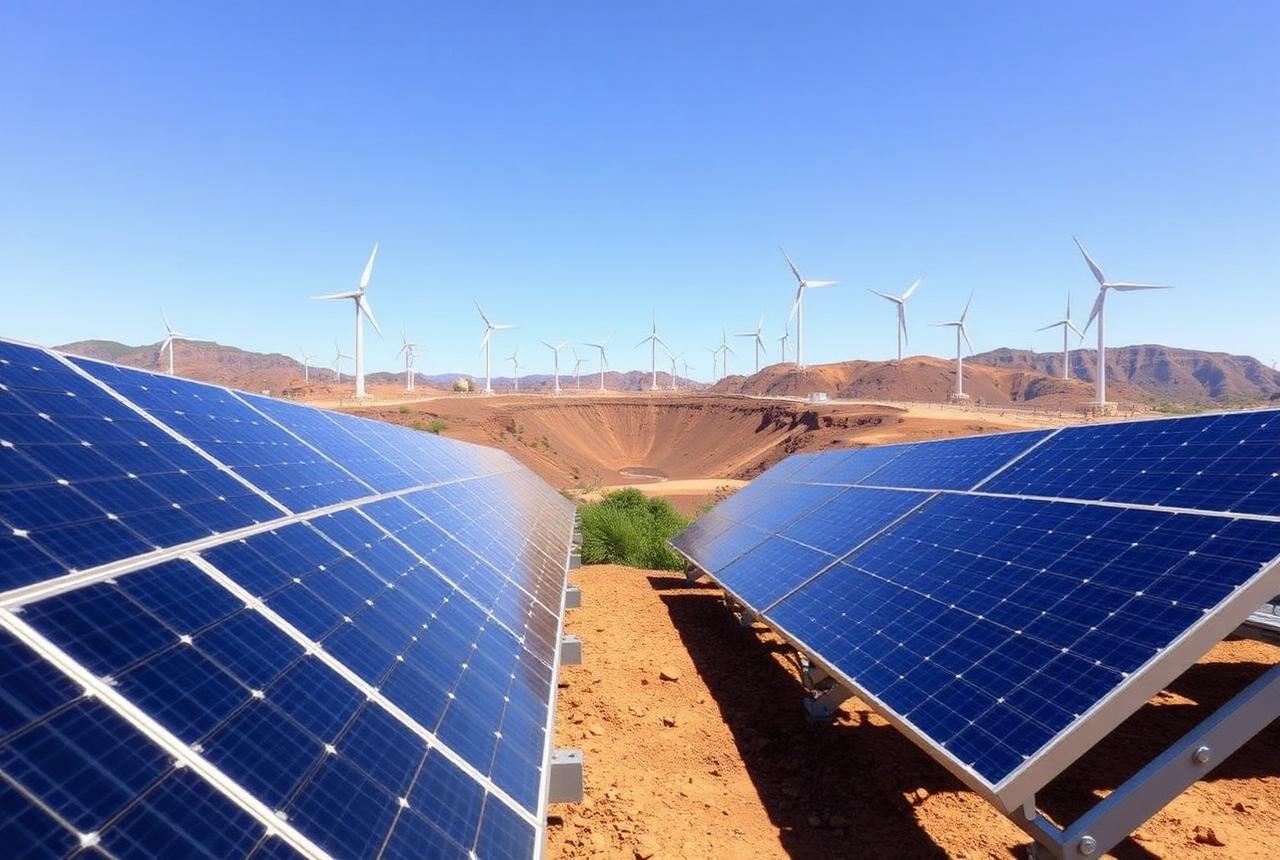
We are actively transitioning to renewable energy sources to reduce greenhouse gas emissions. Mining is energy-intensive, so cutting diesel and grid demand is one of the most direct ways we can lower both our carbon footprint and our operating cost.
On-site solar generation
Photovoltaic arrays are installed at operations to displace grid power for lighting, offices, workshops and ventilation fans, with battery storage to smooth day-to-night demand.
Electrification of fleet
We are scoping electric and hybrid loaders, drill rigs and light vehicles to replace diesel units, supported by fast-charging infrastructure as the technology matures.
Energy management systems
Real-time metering and ISO 50001-aligned energy management identify the biggest draws so that inefficiencies — air leaks, idle motors, oversized pumps — are fixed at source.
Emissions reporting
We track Scope 1 and Scope 2 emissions against a declining intensity baseline and disclose progress annually, aligning with South Africa's climate commitments and the Paris Agreement.
Social impact & community
Guests in the communities where we operate
We invest in local infrastructure, education and healthcare initiatives, and we prioritise local hiring and procurement to stimulate regional economic growth. Our CSI office maintains our social license to operate through ongoing engagement with traditional authorities, municipalities and community trusts.
Local employment
First-call hiring from host communities for exploration and support roles.
Enterprise development
Mentoring SMMEs in the mining value chain to build lasting local capacity.
Education & bursaries
Bursaries for maths, science and geology learners in surrounding schools.
Infrastructure legacy
Roads, water points and clinics that remain as community assets post-mining.
Health & safety
Zero Harm
Our Zero Harm policy is non-negotiable. We provide continuous training, use the latest safety equipment, and foster a culture where every employee is empowered to identify and mitigate risk. No production target is worth an injury, and no milestone is recognised without an unimpaired safety record behind it.
Stop-work authority
Every person on site — employee or contractor — has the unconditional right to stop any task they believe is unsafe, without fear of reprisal.
Risk-based training
Inductions, task observations and high-risk procedure refreshers are continuous, not annual, with competency verified before work begins.
Leading indicators
We manage safety by leading indicators — near-miss reporting, hazard observations and behaviour-based feedback — not just lagging injury rates.